


Our Commitment to Responsible Production
Sustainability at Everest
Nothing Bad
We actively work to eliminate what’s bad for us humans or our planet from our processes and products. This includes reducing our footprint by removing all phtalates, fluorocarbons, silver and biocides, and by using SolutionDye, a water saving dyeing process, and by raising the standards of all our manufacturing partners. Saving our only planet is a challenge that inspires and motivates us to become better. We accept that challenge every single day.
Circular
To reach a sustainable level of consumption, we have begun the journey to become circular so that we, like nature, can create new products from those nearing the end of their life. This means increasing our used share of recycled or sustainably produced virgin materials. A strong design focus is on making items that are easy to mend and care for, thus extending their life span over to a second or even third user. And in end, we make it easy to recycle the different parts.
Reduce
By making clothes and gear that are multifunctional and stand the test of time, the rate of consumption is reduced.
Water
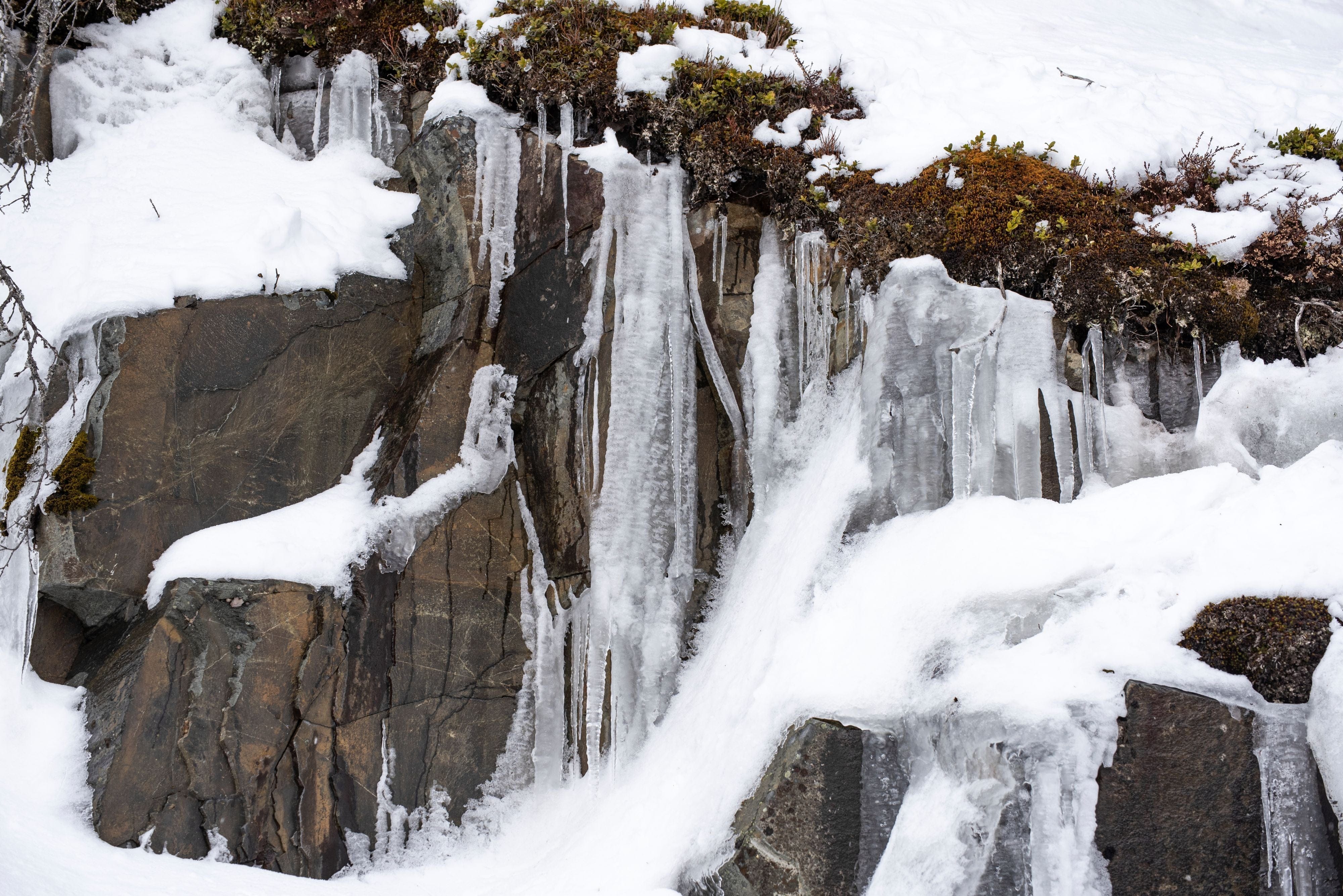
Minimizing water usage is a major challenge for all textile manufacturers. For us at Everest, this is a prioritized topic. To minimize our water usage during the production of our clothes, we invest majorly in the energy and water efficient technology: Solution Dye. Today, we buy fabrics from suppliers who use Solution Dye to color both knitted and woven materials. Unlike more traditional dyeing of fabrics, which require more steps, large amounts of water, energy and carbon dioxide, the fabrics are instead dyed with Solution Dye from the very beginning – when the fibres are being created and spun, saving both water and energy. Thanks to this technology we are minimizing our environmental impact, and you get a garment which is more sustainable and more enduring; both when used and when washed.
We have used Solution dye since 2010, the result being a large part of our garments are dyed using this technology. Our goal is to continuously increase the proportion of products that are dyed with Solution Dye.
Approximate savings when using Solution Dye compared to traditional dyeing techniques:
Water: 80%
Energy: 60%
Carbon dioxide: 60%
Chemicals: 60%

Chemicals
We are working continuously to ensure that our production does not contain substances and chemicals which can cause skin irritation, allergies, be carcinogenic or have a negative impact on the environment. To eliminate substances and chemical in our fabrics we follow REACH; the strict and recommended regulations established by the European union. According to REACH (Regulation (EU) No 1907/2006), anyone who manufactures, imports or sells a product containing 0.1% or more of certain substances is obliged to provide information about this to consumers who request it. The duty to provide information applies to topics listed on the EU Candidate list; substances that are particularly dangerous due to their hazardous properties both for human health and the environment.
PFAS: PFAS has many names and can sometimes be referred to as PFC’s. In other words; fluorocarbons or perfluorinated substances. PFAS is a water and dirt repellent treatment that has been around for a long time in the clothing industry, used to impregnate textiles.
PFAS is included in EU’s list of particularly dangerous substances, and it has been shown, that among others, it contains endocrine disruptors that can affect reproduction and it’s also suspected of causing cancer. They are also very difficult to decompose.
PVC and phthalates: Since 2016 we have completely banned soft PVC materials in our collections and products. We ensure that all of our products are free of particularly dangerous phthalates and that chemical content do not exceed the statutory requirements regarding phthalates. We work hard to ensure that our suppliers in the production chain improve considering PVC materials and demand that they comply with our requirements regarding chemicals.
Microplastics: Microplastics are fragments of any type of plastic less than five millimetres in length. It can be produced for different products, or it can be a result of larger plastic debris that degrades into smaller pieces. Microplastics can also be released from fleece or synthetic garment during production, wear or washing.
At Everest we work to minimize microplastics already at material level; since 2020 we send out a comprehensive document to our suppliers stating how we want to work in order to minimize emissions of microplastics. In this document we point to parts of the production process such as fabric brushing, water filtration, fabric cutting, air quality and washing.
Since microplastics risk being released during the entire product life cycle; in production as well as daily use, we recommend using a Guppyfriend laundry bag when doing your laundry. By using the washing bag, the secreted microplastics are collected in the washing machine instead of ending up in the watercourses.

Sustainable & Recyclable material
Our goal at Everest is 100 percent sustainable textile materials by 2025. By sustainable materials we mean materials that reduce our environmental footprint and promote a fairer production process. For example, this can entail materials made from recycled cellulose, or textiles dyed using water-saving processes such as Solution dye. A sustainable material should be easy to recycle when consumed, and also last long so it can be reused many times.
Sustainable materials and their composition are important to facilitate the recycling process in the best possible way. When we work with product development, we put a lot of focus into making the product last long whilst also minimizing our environmental impact.
Sustainable cotton: Organic cotton has a lower negative impact on the environment because it is naturally grown from non-genetically modified crops, without the use of synthetic fertilizers or pesticides. Not using harmful substances such as the above in the cultivation process leads to better health conditions both for farmers and the workers.
At Everest we use 100 percent sustainable cotton, which is referred to as Better Cotton, organic cotton, recycled cotton or other environmentally certified cotton alternatives.
Recycled materials: A large part of the materials used at Everest are recycled polyester deriving from old PET bottles. On average, it takes seven to ten PET bottles to create a top or a pair of tights. We also work hard to recycle old textiles.

Animal care
Animals have the right to be treated humanely and have their basic needs met. Our demands regarding animal care when it comes to production is based on “The five freedoms” developed by The World Organization of Animal Health.
Down: We support Responsible Down Standard (RDS)when using down and 100% of the down products that we produce are RDS certified. RDS ensures that all animals are treated with dignity; that the down used does not come from animals in a supply chain where they have been subjected to unnecessary harm. It prohibits that down is picked from live birds, as well as harmful methods such as force-feeding the animals. This is done by providing the industry with a system which makes the origin of the material traceable. We ensure that all our down is traceable and produced according to The Five Freedoms of Animal Welfare. From winter 2019 we work with re: down where we use only recycled down in some of our jackets.
Fur-free: In agreement with the Animal Rights Association (Djurens Rätt), we undertake not to sell any products with fur.
Mulesing: Everest takes distance from all unethical animal husbandry. We do not accept mulesing (painful procedures performed on sheep in Australia to prevent flystrike) and our range only includes documented mulesing-free merino wool.
Angora: We do not allow angora in our range.

Quality & Safety
Quality: All of our products are tested internally and by independent test institutes to ensure that the latest safety and quality requirements are being met. These requirements are regulated by the laws that apply in the countries we are active in as well as by our own internal requirements. We control quality, durability, safety and chemical-checks continuously on all our products.
Examples of tests we carry out internally:
- Fit
- Sustainability
- Functional properties
- Washing and stability
- Chemicals
Child safety: We place high standards and demands on our children’s range. Our products are specially adapted and designed for children and comply with EU standards (EN 14682: 2014) regarding child safety. Besides EU standards all of our children clothing mush meet our own requirements concerning properties, function, durability and safety. Therefore, we always implement a general risk assessment of all of our children’s products to make sure that the user is not exposed to any dangers. For example, all children’s outerwear from Everest has detachable hoods.
Governing documents: To achieve our goals we need tools and guidelines. In addition to following law and regulations, we have set up policies and governing documents which supports us in our work. In relation to our suppliers, we have two governing documents; supplier code (Code of Conduct) and business code of ethics (Code of Ethics). Internally, we have policies regarding employment conditions, work environment, gender equality, diversity and recruitment.
Logistics & transport
We constantly reduce the amount of material used to pack and transport our products. In collaboration with our suppliers and partners, we find ways to make sure our transports have as little impact on the environment as possible.
Transport: Logistics and transport put great strain on the environment, which is why Everest places demands on suppliers and partners.
We continuously strive to reduce energy consumption in the transport sector. We work with environmentally certified distributors for our packaging and reduce the amount of material used to pack and transport our products. We also ensure to have a high percentage of filling in all of our transports; meaning fewer vehicles and reduction of the environmental impact our transports have. We also recycle as much of our packaging as possible.
As a rule, we do not accept air freight and almost exclusively use boat or train as transportation from our suppliers in Asia. Should the suppliers, for any reason, not be able to follow this rule, we will demand that they climate compensate the transport.